Chapter 1
1. What Makes Generative AI Different?
Traditional AI is good at recognizing patterns and making predictions (for example, predicting the weather).
Generative AI goes a step further: it can create new content (like text, images, music, or code).
Think of it this way:
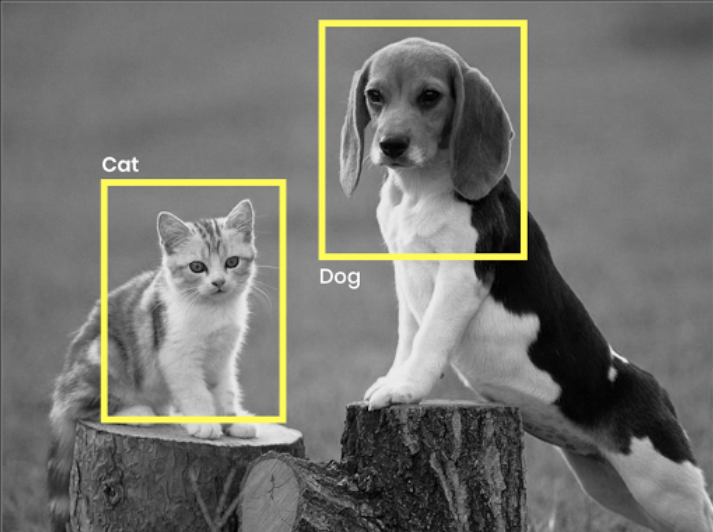
Traditional AI = “Is this a cat or a dog?”
Generative AI = “Draw me a new picture of a cat wearing sunglasses.”
2. How Does It Work?
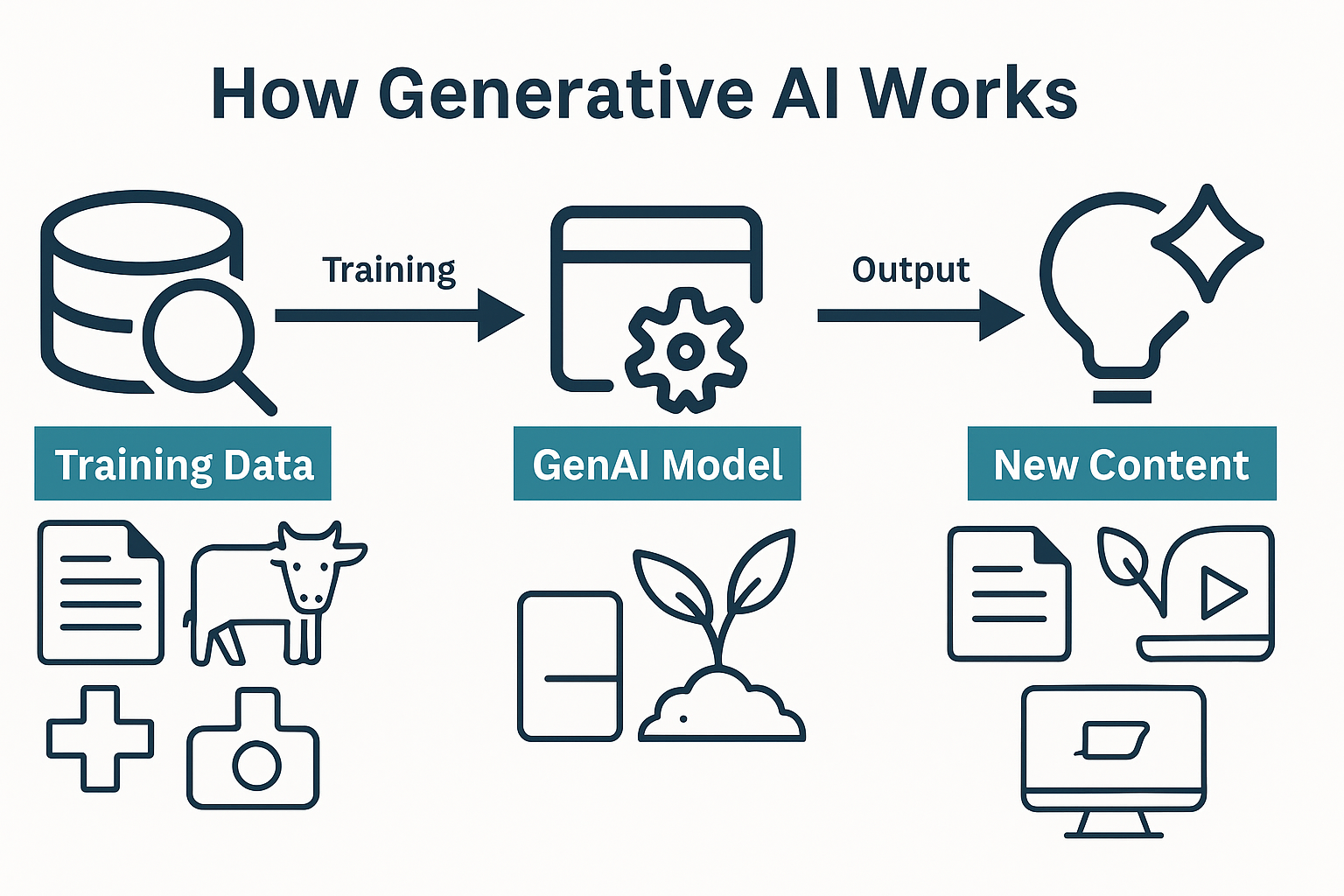
Generative AI uses large datasets and neural networks (computer systems inspired by the brain).
The main engine is often a Large Language Model (LLM) like ChatGPT, which has been trained on billions of words so it can respond naturally to your requests.
At the core are three steps:
Training – The AI studies millions of examples (text, images, etc.).
Patterns – It learns the connections between words, ideas, or images.
Generation – It uses these patterns to create something new when you give it a prompt.
3. Mississippi Connections
Small Business: Local entrepreneurs can create product flyers or social media campaigns in minutes.
Education: Teachers can design quizzes or lesson outlines with AI support.
Agriculture: Imagine farmers using an AI model trained on soil, weather, and crop data. When they ask “What’s the best crop to plant this season?” the AI can create a customized recommendation.
4. Key Tools to Know
Chatbots (ChatGPT, Copilot): Generate text or answer questions.
Image Generators (DALL·E, Stable Diffusion): Create pictures and artwork.